Travel · 4 min read
Road Trips With Your Dog
Pack smart, buckle up and plan the stops. A calmer drive for everyone in the car.
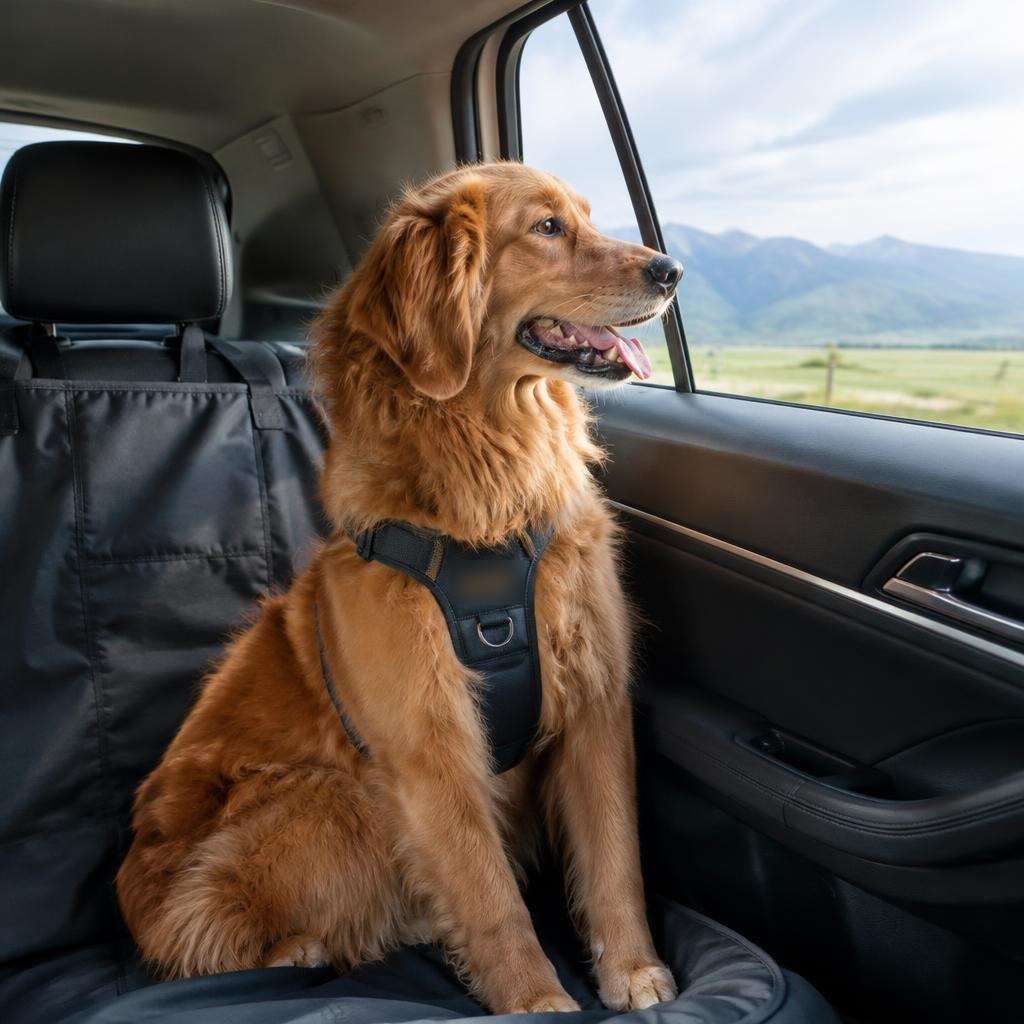
There's something about a road trip with your dog. The head out the window (cracked, not wide open), the new smells at every stop, the way they fall asleep in a contented heap after an hour on the highway. With a bit of planning, a road trip can be one of the nicest things you do together.
This guide covers the practical side: getting your dog comfortable with the car, keeping them secure, packing the right things and planning stops that work for both of you.
Start with short practice drives
If your dog mostly rides in the car to the vet, they may not love it yet. Build positive associations with short trips that end somewhere fun — a park, a favorite walk, a friend's house. Gradually lengthen the drives. A dog who's relaxed on a 30-minute trip is much more likely to settle on a five-hour one.
If your dog gets queasy or very anxious in the car, talk to your vet before a long trip. They can suggest strategies that fit your dog.
Keep them secure
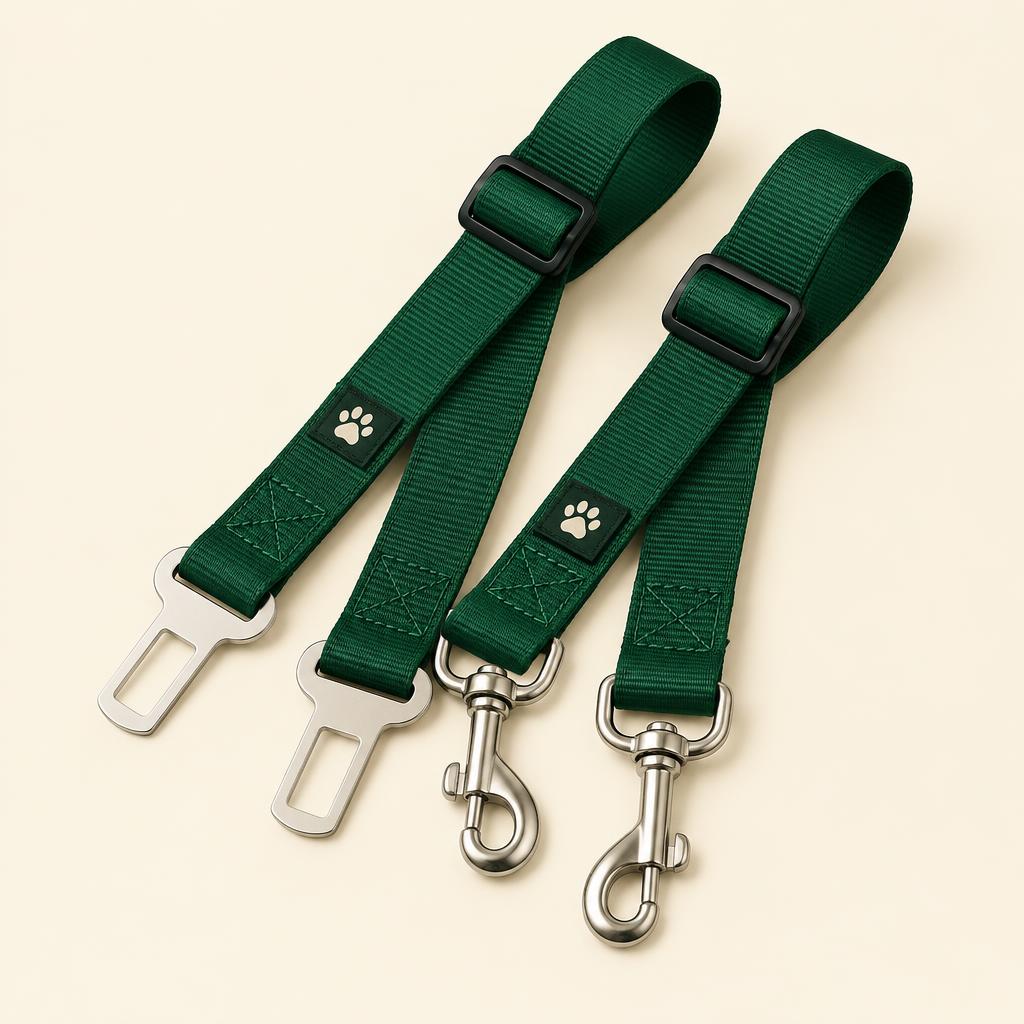
A loose dog in a moving car can be a distraction and is more likely to get hurt if you brake suddenly. Use a well-fitting harness with a seat-belt tether, a secured crate or another restraint designed for dogs. Always attach tethers to a harness, not a collar.
Keep your dog in the back seat, away from front airbags. Adjust the tether so they can sit, stand and lie down comfortably but can't climb into the front or lean too far out of a window.
Protect the car (and your sanity)
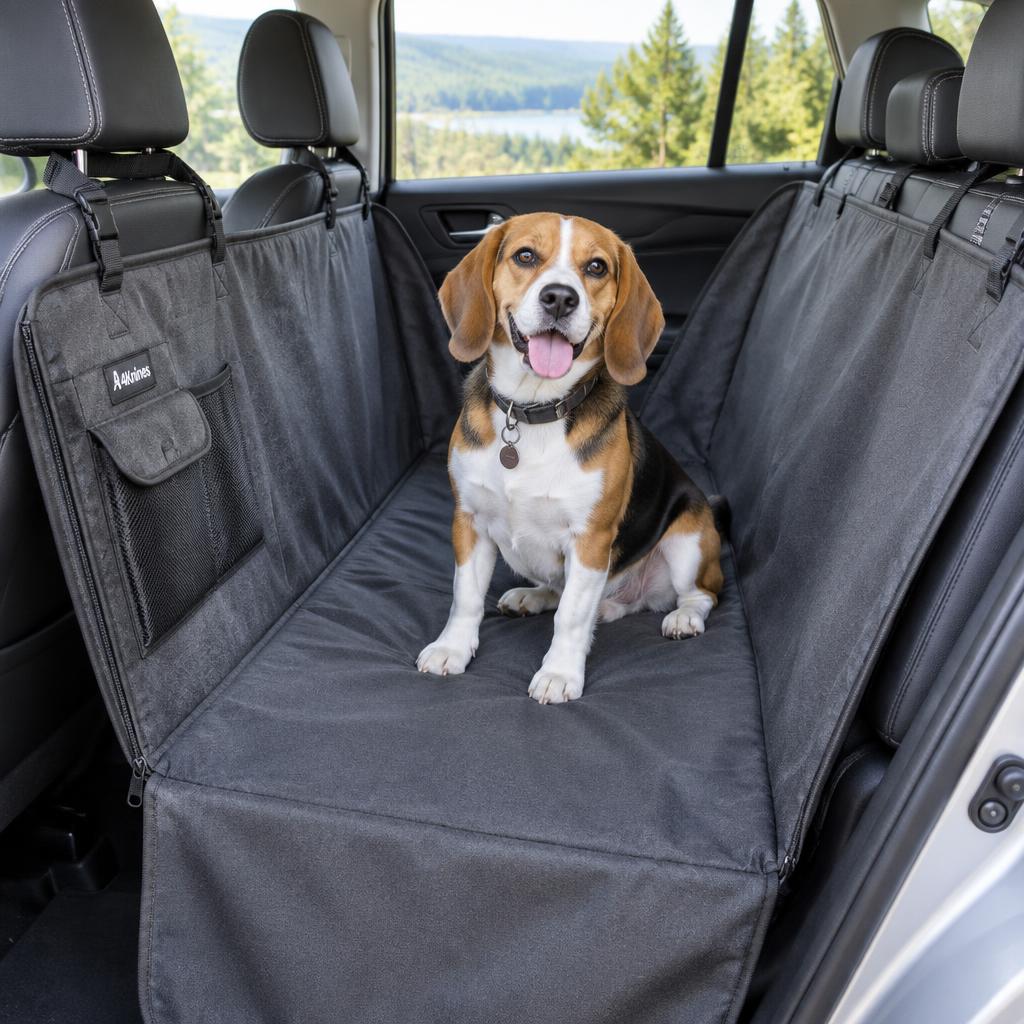
Muddy trailheads, beach sand and shedding coats all end up in the back seat. A waterproof seat cover in hammock mode keeps it contained, stops your dog from sliding into the footwell, and wipes down at the end of the trip. Keep a towel and a paw cleaner in the trunk for quick clean-ups before your dog hops back in.
If your dog is older or a big jumper, a ramp saves their joints and your back at every stop.
What to pack
Pack a dedicated dog bag so nothing important gets lost in the luggage. A good checklist: food for the whole trip plus a little extra, water and a collapsible bowl and bottle, leash and harness, poop bags, a towel or two, your dog's bed or a familiar blanket, a favorite toy or chew, any regular medications, and a copy of vaccination records.
Make sure your dog's ID tag is up to date with a phone number you'll answer on the road. A custom engraved tag is a simple backup to a microchip.
Plan your stops
Plan breaks every few hours for a potty stop, a drink and a short walk. Look for rest areas with grassy spaces or parks just off the highway. Always leash your dog before opening the car door — new places are full of exciting smells and unexpected traffic.
Never leave your dog alone in a parked car, even for a few minutes. Cars heat up quickly in warm weather and get cold fast in winter. If you need to stop somewhere your dog can't come in, plan for a drive-through or bring a travel buddy.
Feeding on the road
Many dogs travel best on a light stomach. Consider a smaller meal a few hours before you leave and save the main meal for when you arrive or stop for the night. Offer water at every break. Stick to your dog's usual food — a road trip is not the time to try something new.
Settling in at the destination
When you arrive, give your dog a chance to explore on leash and find a potty spot. Set up their bed and water bowl right away so they have a familiar base. Check that the space is secure — gates, fences and doors — before letting them off leash anywhere.
Expect your dog to be a little unsettled the first night. Keeping their routine as close to normal as possible helps them relax.
Enjoy the ride
Road trips with dogs are about the journey as much as the destination. Build in time for sniffy walks at interesting stops, take more photos than you need, and enjoy the company of a co-pilot who never complains about your music. With a secure setup and a clean back seat, the miles go by happily.
General tips from the TidyTails team, not veterinary advice. If you're worried about your dog's health or behavior, check in with your vet.
Make it easier
Gear for this guide