Enrichment · 4 min read
Boredom Busters: Mental Enrichment Basics
A busy brain is a calmer dog. Simple, everyday ways to give your dog something to think about.
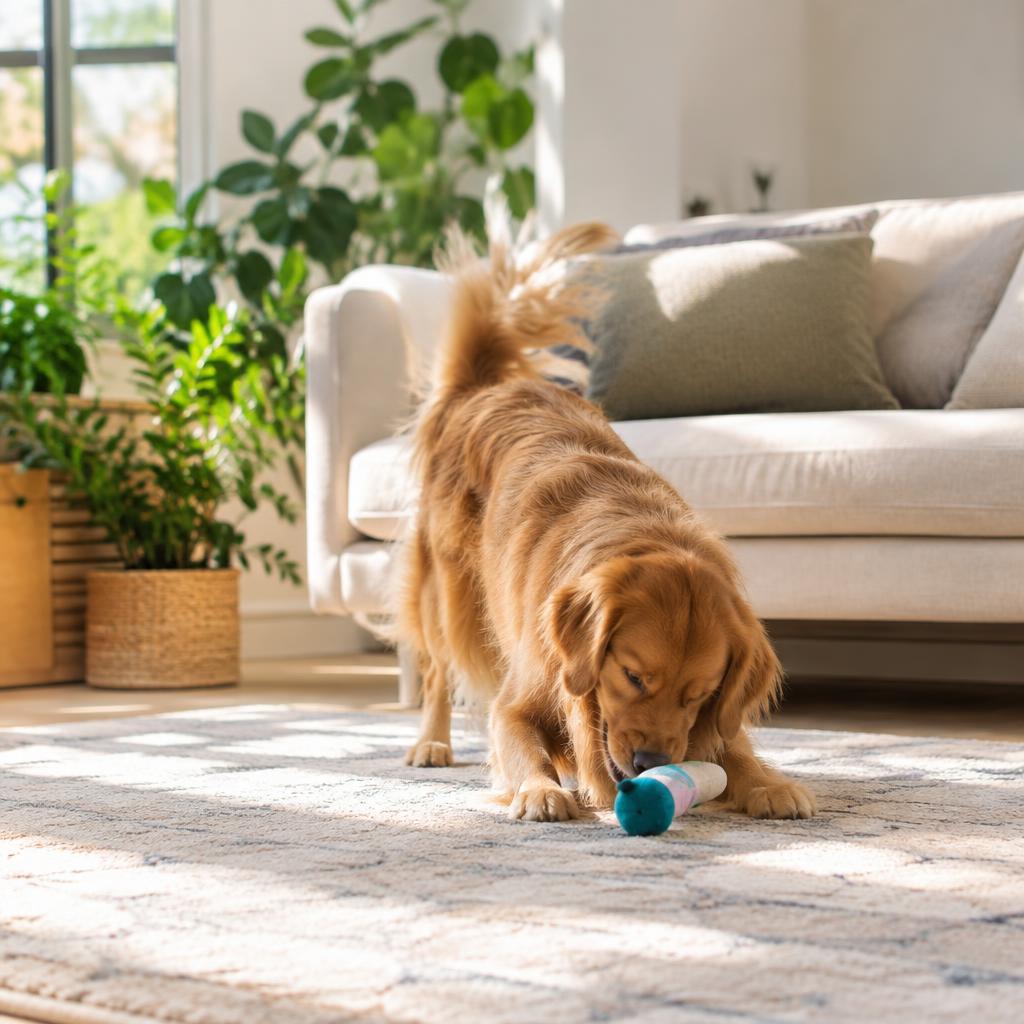
If your dog has ever chewed a shoe, shredded a cushion or followed you around the house sighing dramatically, there's a fair chance they were bored. Dogs were bred to work — to hunt, herd, guard, retrieve and sniff out all kinds of things. Most modern dogs have far less to do, and that unused brainpower has to go somewhere.
Mental enrichment means giving your dog regular chances to use their natural skills: sniffing, foraging, chewing, problem-solving and exploring. It's not about expensive gadgets or complicated training. A few small changes to your daily routine can make a big difference.
Why thinking tires dogs out
Physical exercise matters, but it's only half the picture. Many owners notice that a sniffy, slow walk leaves their dog more relaxed than a fast jog. Using their nose and brain is genuinely engaging for dogs, and a dog who's had a chance to think tends to settle more easily afterwards.
That makes enrichment especially helpful on rainy days, for apartment dogs, for seniors who can't walk far and for anyone whose dog seems to have endless energy.
Start with mealtime
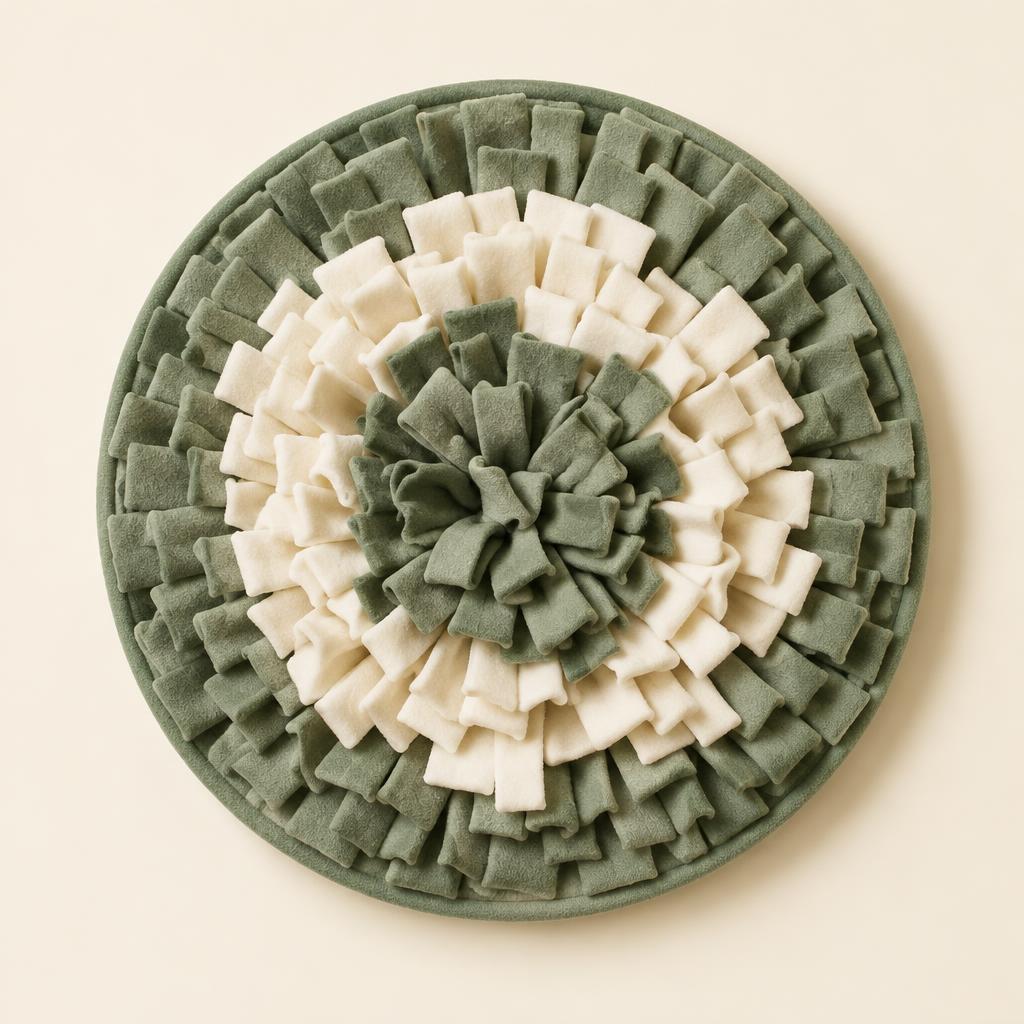
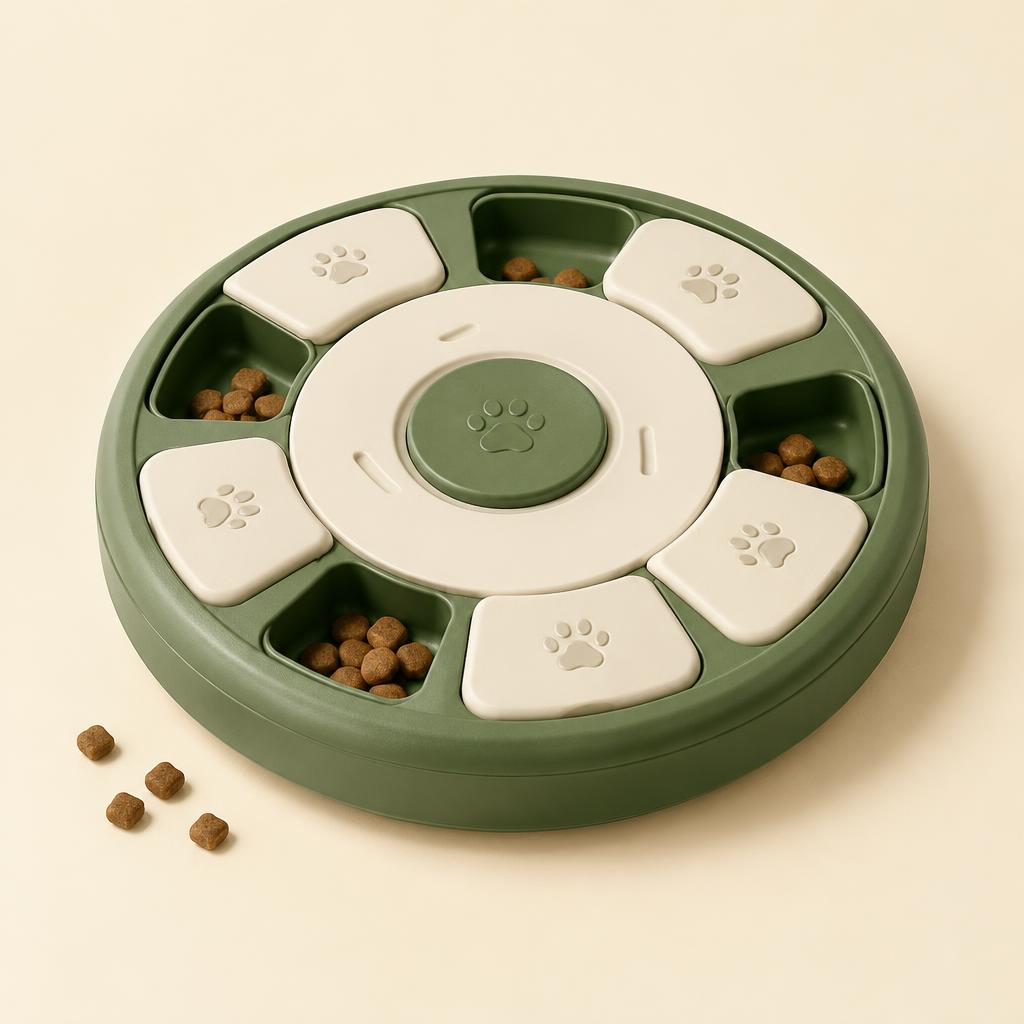
The easiest enrichment upgrade is already in your kitchen. Instead of serving dinner in a bowl that's empty in thirty seconds, make your dog work for it a little. Scatter kibble in a snuffle mat and let them forage. Use a slow feeder to stretch out the meal. Fill a treat-dispensing puzzle with part of their daily food.
Using their regular food keeps things simple and avoids extra calories. Start easy so your dog succeeds quickly, then gradually make it a bit harder.
Nose work at home
Sniffing is one of the most satisfying things a dog can do. Try a simple find-it game: ask your dog to wait, place a treat a short distance away in plain sight, then say 'find it'. Once they've got the idea, hide treats behind furniture, under a cup or in another room.
You can also make a 'sniff box' — a cardboard box filled with crumpled paper and a few treats tucked inside. Supervise, and pick up the paper afterwards if your dog likes to shred.
Choose the right puzzle level
Puzzle toys come in difficulty levels for a reason. If a puzzle is too hard, many dogs give up or get frustrated. Start with the easiest setting and help a little if needed. Once your dog solves it confidently, move up a level. Our puzzle comes in Level 1, 2 and 3 so you can grow with your dog.
Rotate toys rather than leaving them all out. A puzzle that appears twice a week stays interesting much longer than one that's always lying around.
Licking and chewing
Licking and chewing are naturally calming for many dogs. A lick mat spread with a thin layer of something tasty can keep a dog busy for a good while — perfect while you're on a call or cooking dinner. Freezing it makes it last longer.
Offer appropriate chews that match your dog's size and chewing style, and supervise, especially with new items. Ask your vet if you're unsure what's suitable for your dog.
Short training games
Learning something new is great mental exercise. Five-minute sessions of a new trick — spin, touch, paw, or settle on a mat — give your dog's brain a workout and strengthen your bond. Keep it fun, reward generously and stop while your dog is still keen.
Sniffy walks
Not every walk needs to be about distance. Once or twice a week, try a 'sniffari': let your dog choose the pace and the route (within reason) and give them all the time they want to investigate interesting spots. A longer, relaxed line helps. You might be surprised how content your dog is afterwards.
Energy for the high-drive dogs
Some dogs need more. Retrievers, herders and terriers often love games with a job attached. An automatic ball launcher can be a hit for fetch-obsessed dogs — use it in short sessions with breaks so it stays fun rather than frantic, and mix it with calmer activities to help them switch off afterwards.
Build it into your week
You don't need to do everything every day. Pick one or two ideas and fit them into your routine: a snuffle mat breakfast, a find-it game after work, a sniffy weekend walk. Small, regular doses of enrichment add up to a calmer, more satisfied dog — and probably a few more cushions that survive the week.
General tips from the TidyTails team, not veterinary advice. If you're worried about your dog's health or behavior, check in with your vet.
Make it easier
Gear for this guide