Life Stages · 4 min read
Senior Dog Comfort at Home
Small changes around the house that help older dogs feel steady, cozy and close to you.
There's something special about an older dog. The grey muzzle, the slower walks, the way they follow you from room to room just to lie down near your feet. Senior dogs have given us years of company, and a few thoughtful changes at home can help their later years feel comfortable and secure.
This guide focuses on practical home setup — beds, floors, routines and little helpers. It's not medical advice. Your vet is the best person to talk to about your dog's health, and regular check-ups become even more valuable as dogs age.
Watch, then adjust
Every dog ages differently. Some stay bouncy well into their teens; others slow down earlier. Start by simply watching. Does your dog hesitate before jumping onto the couch? Take a moment to get up after a nap? Slip on certain floors? Seek out warm spots more than they used to? These small clues tell you where to focus.
Share what you notice with your vet, especially anything new or sudden. Then make changes one at a time so you can see what helps.
A bed that supports, not just cushions
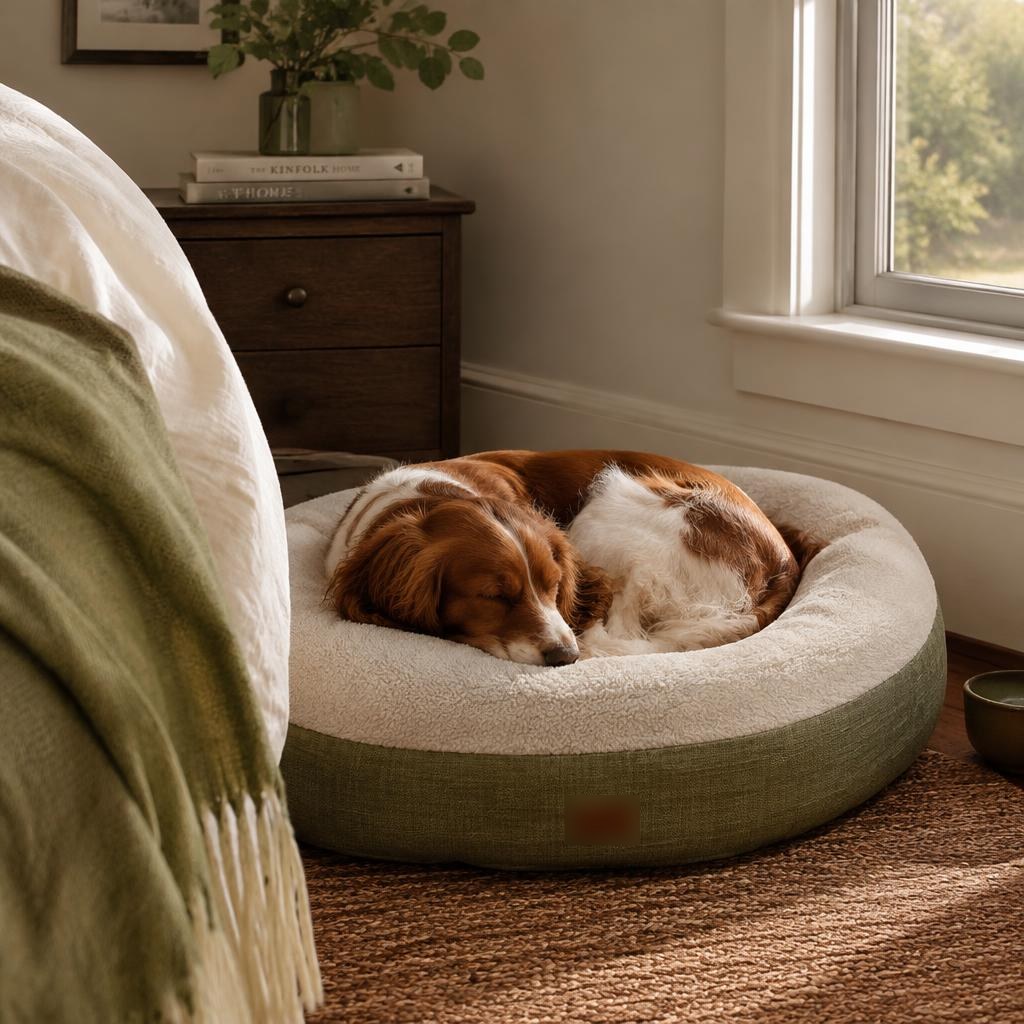
Older dogs often spend more time resting, so where they rest matters. Look for a bed that's easy to step into, supportive enough that they're not sinking to the floor, and placed somewhere warm and draft-free where they can still see the family.
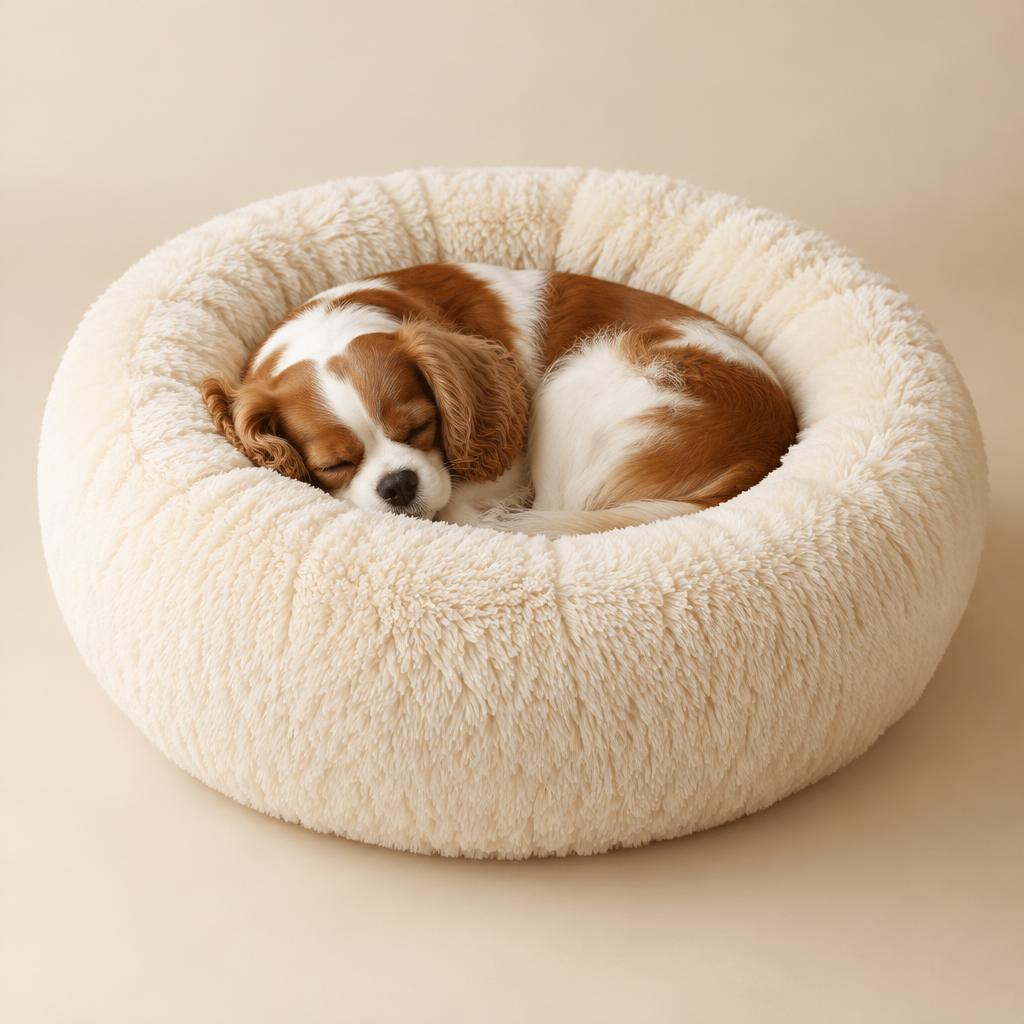
Many seniors love a donut-style bed — the raised rim gives them something to rest their head on and lean against. Choose a size that lets your dog curl up or stretch out comfortably, and wash the cover regularly. Having a second bed in the room where you spend evenings saves your dog from choosing between comfort and company.
Help with traction
Smooth floors can be tricky for older legs. Runner rugs or non-slip mats along your dog's usual paths — from the bed to the water bowl, the back door and the couch — give them something to grip. Keep nails trimmed, too. Long nails change how a dog stands and can make slipping more likely.
If nail trims are stressful, a quiet nail grinder lets you take a little off at a time with less pressure than clippers. Go slowly, reward often and stop if your dog is uncomfortable. Your groomer or vet clinic can help, too.
Make high places reachable
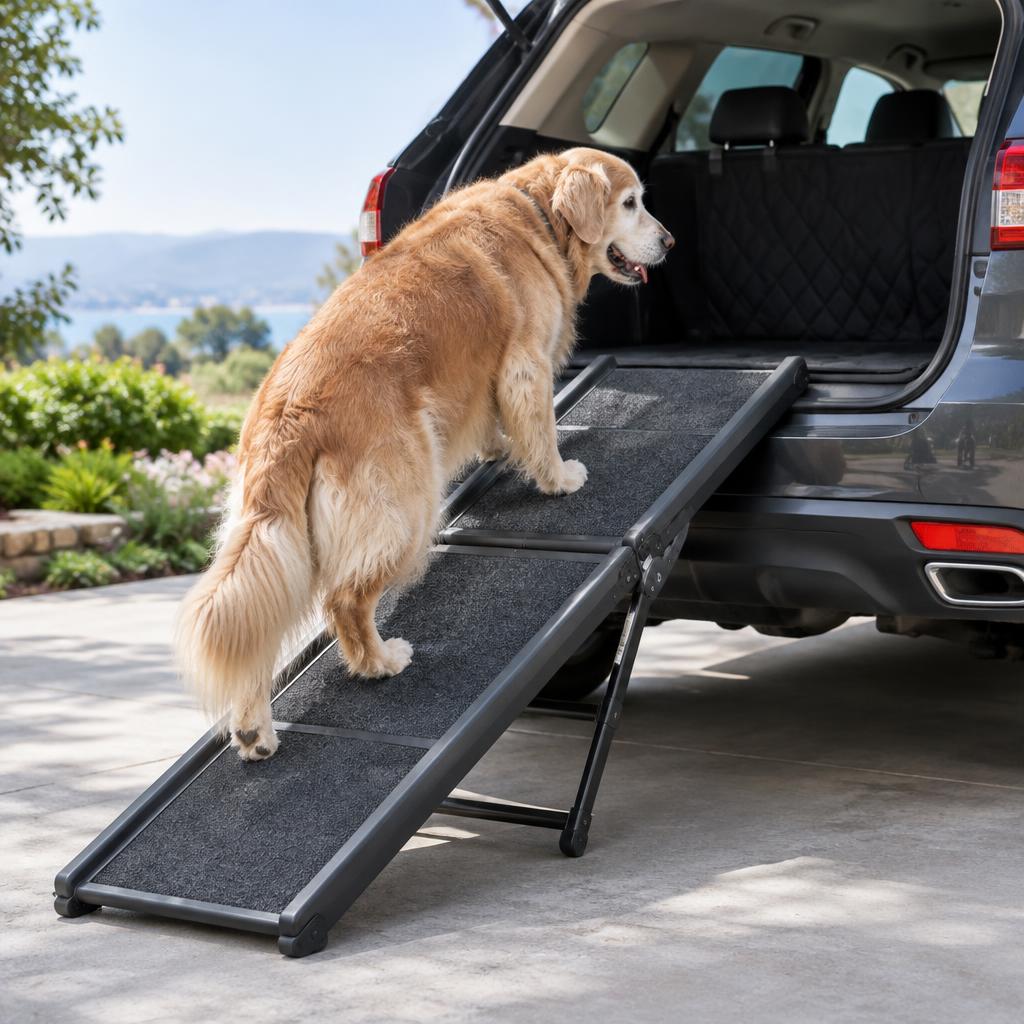
If your dog has always slept on the couch or ridden in the back seat, they probably still want to. Jumping up and down gets harder with age, though. A ramp gives them a gentler way up into the car, and pet steps or a sturdy footstool can help with the sofa or bed.
Introduce ramps at ground level first, with treats along the surface, before raising them. Keep a hand near your dog for the first few tries so they feel confident.
Gentle routines
Seniors often do best with shorter, more frequent walks instead of one long outing. Let them set the pace and sniff as much as they like — sniffing is relaxing and mentally engaging. On hot or icy days, a short loop and some indoor games may be plenty.
Mental enrichment matters at every age. A snuffle mat or a lick mat offers calm, low-impact activity that many older dogs enjoy. See Boredom Busters for more gentle ideas.
Accidents happen — plan for them kindly
Some older dogs need to go out more often, and occasional accidents can happen. Mention any changes to your vet. In the meantime, extra potty breaks — especially first thing in the morning and right before bed — help a lot. A washable pad under or near the bed protects floors and goes straight into the laundry.
Stay patient. Your dog isn't doing it on purpose, and a calm response keeps them relaxed.
Warmth, water and closeness
Older dogs may feel the cold more. A blanket in their bed, a sweater for chilly walks and keeping their spot away from drafts all help. Make sure water is easy to reach from their favorite resting places, especially if they're slower to get up.
Most of all, keep them close. Senior dogs often want to be near their people more than ever. A bed in the room where you work or watch TV is a small change that means a lot.
Celebrate the slow days
Life with a senior dog moves at a gentler pace, and there's a lot to love in that. Long naps in the sun, slow sniffy walks, quiet evenings together. With a cozy bed, good footing and a little extra help where it's needed, your home can be the most comfortable place in their world.
General tips from the TidyTails team, not veterinary advice. If you're worried about your dog's health or behavior, check in with your vet.
Make it easier
Gear for this guide